Check the project list – what defines the structure of the transport box
Analysis area | What we determine at the project stage | How it affects work and costs |
Dimensions and weight of the equipment | dimensions, technological clearance, center of gravity | quick insertion and removal of equipment, no stress and lower risk of damage |
Nature of transport | frequency of transport, type of vehicle, loading method | ability for one person to work, shorter logistics time, fewer trips |
Level of protection | type and thickness of the cushioning system, stabilization of the device | safety of electronics and no service costs or downtime |
Work ergonomics | placement of handles, height of the box, selection of wheels | less strain on the spine, faster transport, fewer people to carry |
Logistics and storage | stacking, modularity, fitting to pallets and space | order in the warehouse, faster loading and lower operating costs |
Summary:
These are not additions to a case — they are design decisions that truly improve workflow and help the case start paying for itself.
Step 1: Dimensions and mounting clearance – the foundation of the project
The most costly in consequences are boxes designed "to fit."
A well-designed transport case takes into account:
Technological clearance
Not only for the equipment but also for:
foam
cables
handles
Why does this affect the return on investment?
Because:
preparing the equipment for work takes less time
it doesn't have to be "yanked" out of the foam
technicians do not waste time

In event productions, this means real minutes for each execution.
Practical principle
Technological play cannot limit the effectiveness of the cushioning system - its value comes from the design of the interior and the method of stabilizing the device. In most implementations, these are single millimeters necessary for safely inserting and removing the equipment. Larger distances are used only when required by the designed shock absorption system. In the case of devices with high transport sensitivity, the equipment is stabilized in foam in a way that prevents movement, and the ergonomics of removal are ensured by contoured grip areas for hands or fingers, which allows for both safety and comfort of operation.
Summary: good dimensions = faster workflow and less equipment wear.
Step 2: Shocks and vibrations – the cushioning system as a key element of protection
The most common myth: "a strong case means safe equipment."
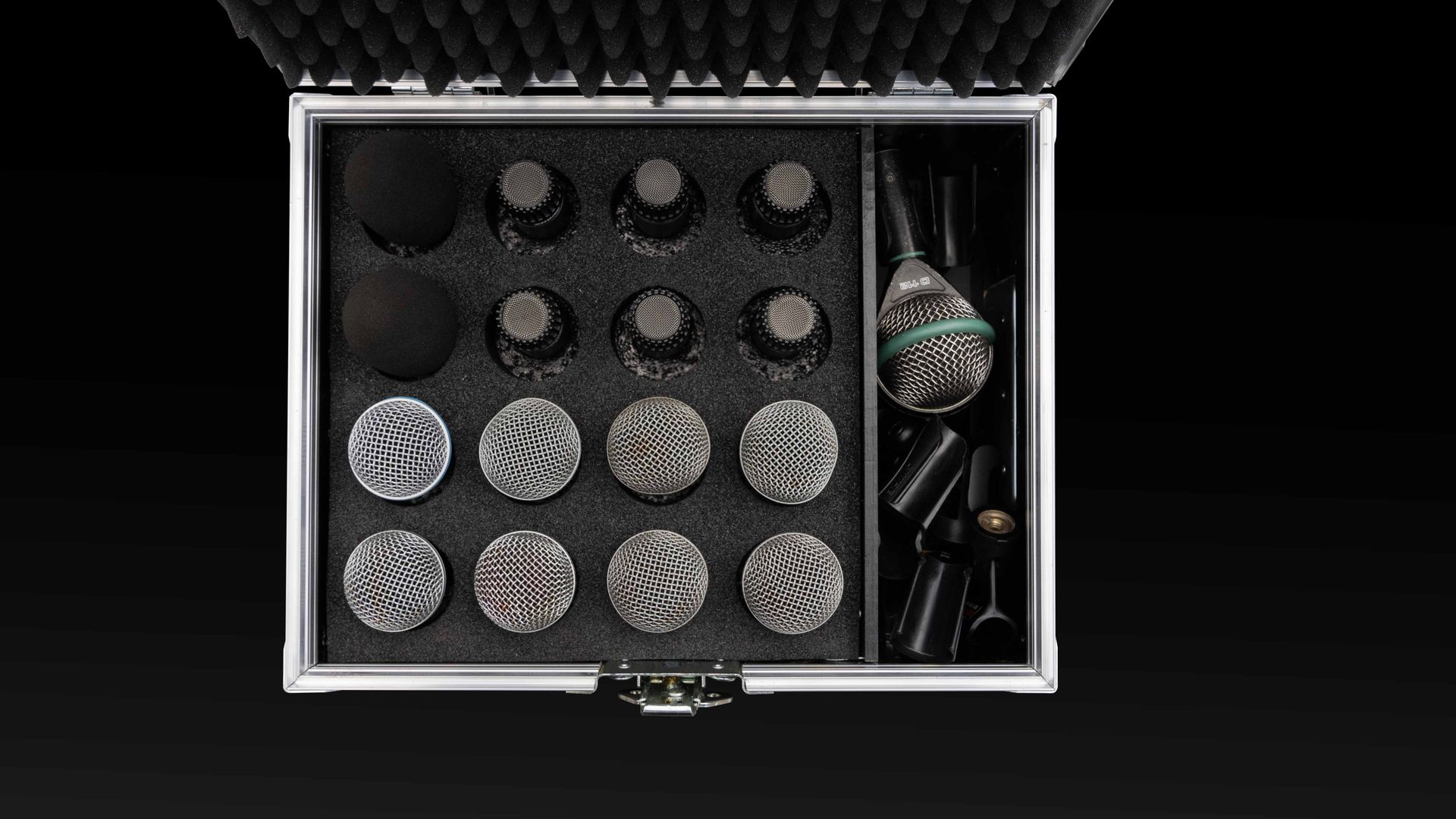
The level of protection during transport is not determined solely by the design of the casing, but primarily by the way the interior is designed to absorb and dissipate impact and vibration energy.
What do we analyze at the design stage?
- the weight of the device
the center of gravity position
the direction of insertion and removal
the frequency of transport and working conditions
Based on this, the type of foam, its density, thickness, and the geometry of the stabilizing elements are selected.
Different devices – different design approaches
It is designed differently:
DJ flight case, where mobility and quick access are key
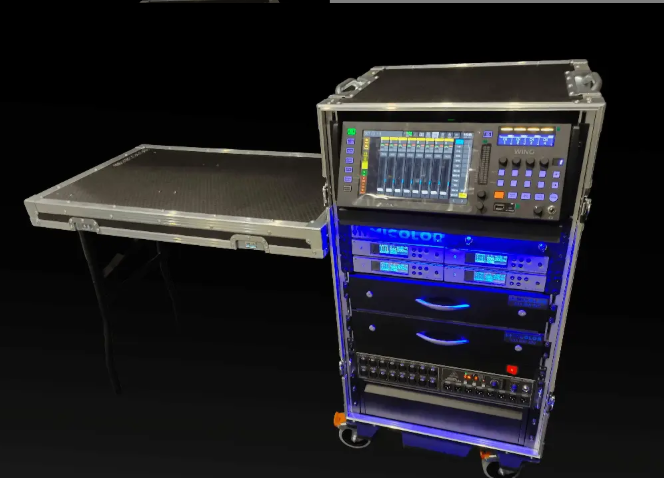
19” rack transport cases, which often serve as a mobile system ready for use
cases for medical equipment, where the priority is maximum stabilization and protection of precise components
Fixed installation of equipment as an element of depreciation and work organization
In many applications, the best solution is not to remove the device from the case, but to have its constant integration with the case's structure.
Properly designed interior:
Keeps the device in its working position.
Eliminates the need for assembly and disassembly each time.
Protects sensitive components during transport.
Provides access to connectors and control panels through service flaps.
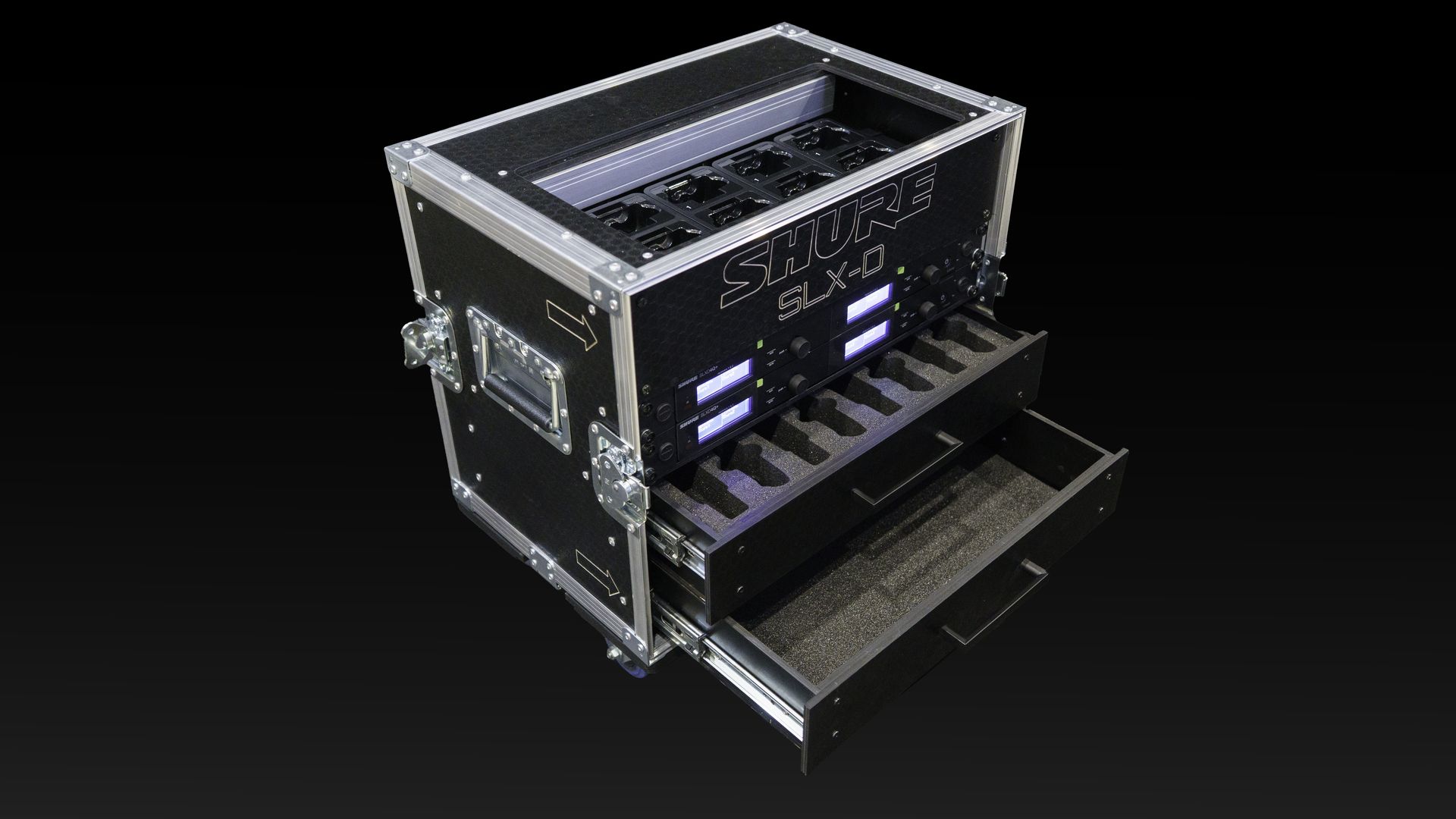
The case then no longer serves only a transport function – it becomes a mobile, organized workstation that speeds up setup and reduces the number of operations performed on the equipment.
The result of a properly designed shock absorption system.
✔ The device remains in a stable transport position.
✔ Impact and vibration energy is dissipated in a controlled manner.
✔ Safe transport of delicate electronics is possible.
✔ The time required to prepare the system for operation is reduced.
Such solutions are visible in the Case-Art projects section, where the interior of each case is designed for a specific device and its real method of use.
Summary: an incorrectly selected shock absorption system can lead to equipment damage even with a very durable outer case. Protection comes from the interior design, not only from the external construction.
Step 3: Case material – weight, working environment, and total operating costs.
In professional transport cases, the material is not an aesthetic choice but part of a structural system adapted to the way the case is used.
Plywood – the structural standard for flight cases.
In the field of stage, broadcast, industrial, and medical technology, and many others, plywood is a fundamental casing material because it provides an optimal ratio:
of mechanical strength
structural stability
mass
durability over a long service life

That is why professional flight cases are designed based on appropriately selected plywood thickness – depending on the size, weight of the system, and transport conditions.
Aluminum and hybrid constructions – an integral part of the system
Aluminum in a professional transport case is not an alternative to plywood, but a reinforcing element of the structure.
Profiles, corners, and fittings:
carry loads
stiffen the entire body
protect edges from damage
increase durability under intensive use
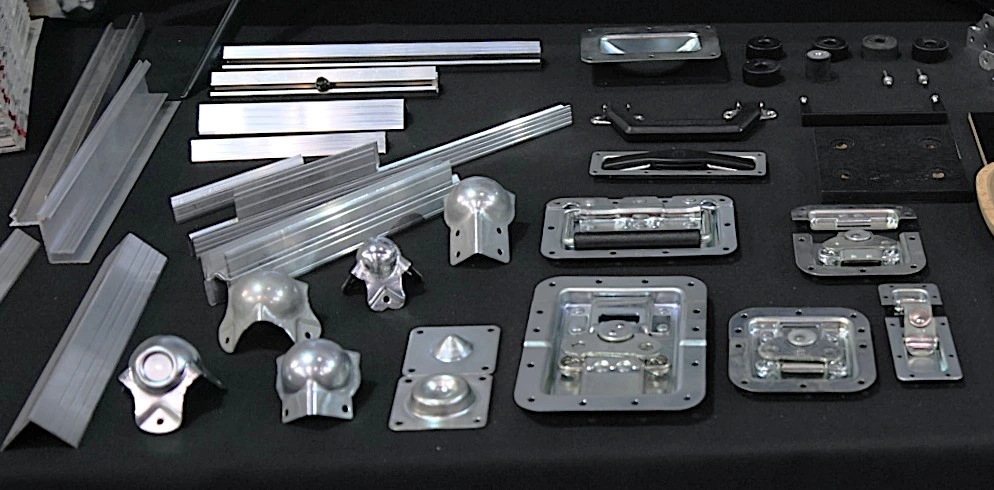
The appropriate combination of plywood and aluminum allows for high stiffness while maintaining a rational mass, which directly affects work ergonomics and the ability to be handled by one person.
OSB – a solution outside the standard of professional implementations
OSB boards are not used in professional flight cases due to:
lower mechanical resistance to impacts and point loads
less durability in intensive transport
susceptibility to edge damage
This material may be used in auxiliary or warehouse applications, but it does not meet the structural requirements of cases intended for many years of intensive use.
Material, ergonomics, and work organization.
The selection of plywood thickness, profile cross-sections, and reinforcement type directly affects:
total case weight
possibility of transport by one person
durability during frequent projects
equipment safety
This approach is aligned with the Human Centered Design method, where the construction supports human work, not only protects the device.
Summary: in professional projects, the material is not selected “from a catalogue”. Instead, the construction is designed using plywood reinforced with aluminium, adapted to transport conditions, intensity of use, and required durability.
Step 4: Hardware – ergonomics of everyday work.
Hardware determines whether technicians or warehouse staff work faster and more ergonomically.
A few of the key elements.
butterfly latches
recessed handles
ball corners
aluminium profiles
transport wheels
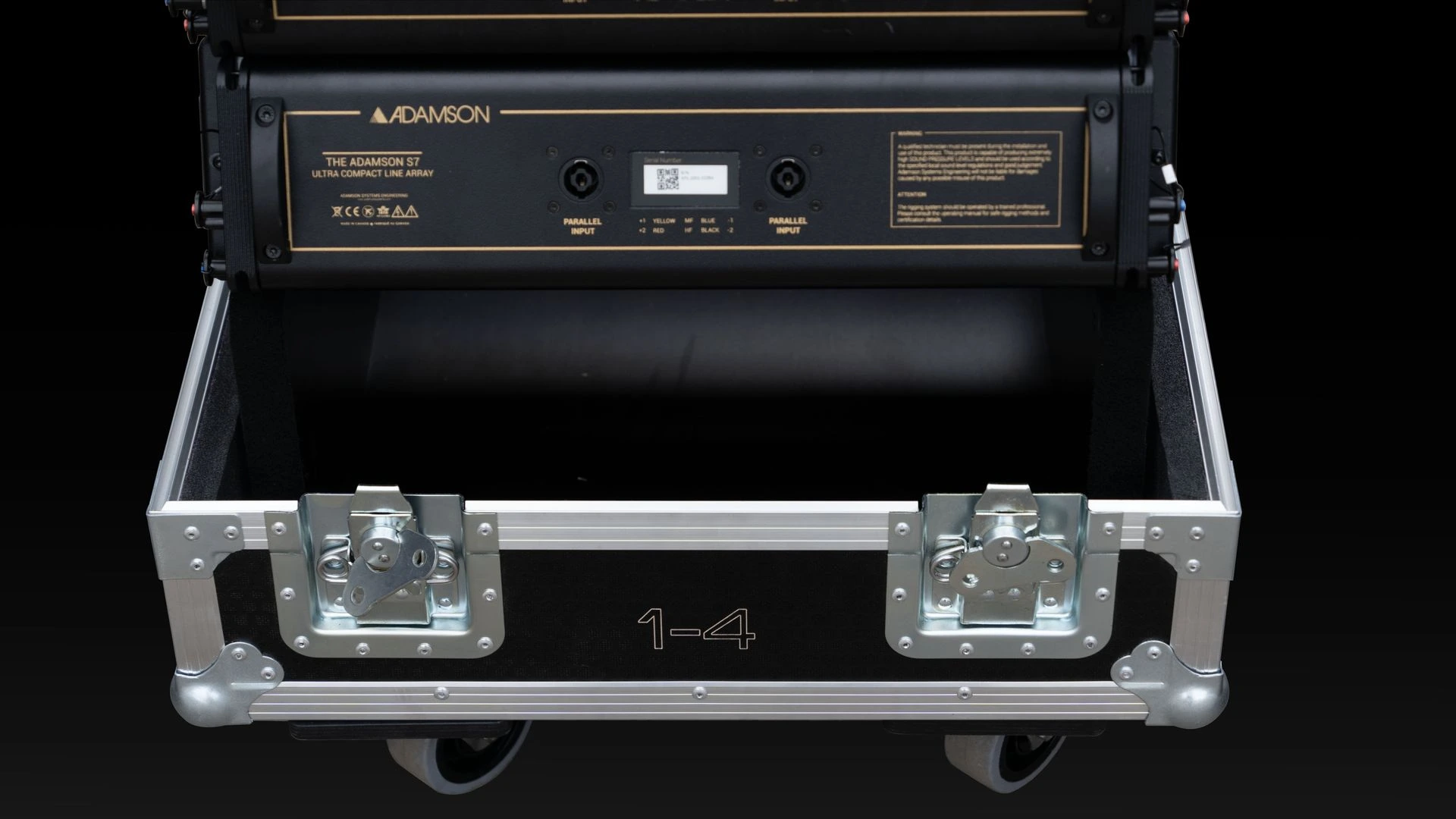
What does proper handle placement change?
easier case handling
fewer back injuries
faster loading
Wheels – an underrated element.
They are selected based on:
total weight of the case including the equipment
type of surface it will be transported on
method of loading and unloading
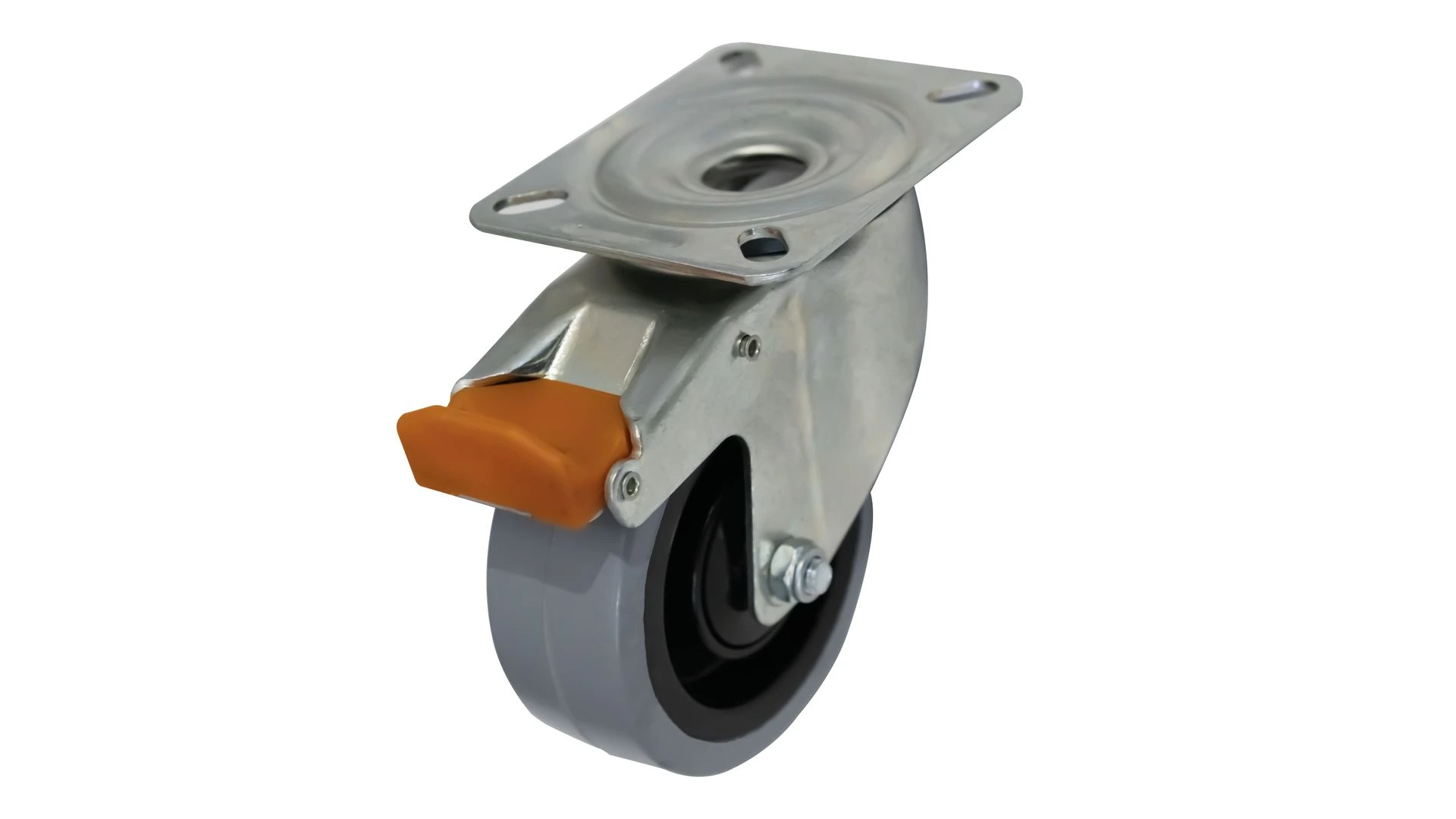
From production and operational practice, it follows that in most professional applications, wheels with a diameter of 80 mm or 100 mm work best, as they provide an optimal compromise between load capacity, height of the case, and ease of handling.
Smaller diameters improve the compactness of the whole at the cost of ease of overcoming obstacles.
Summary: hardware ergonomics = improvement of work ergonomics
Step 5: Transport logistics – the case must fit the process
This is a stage that companies most often overlook.
We check:
if the case fits on the pallet
if it will pass through the door
whether it can be stacked
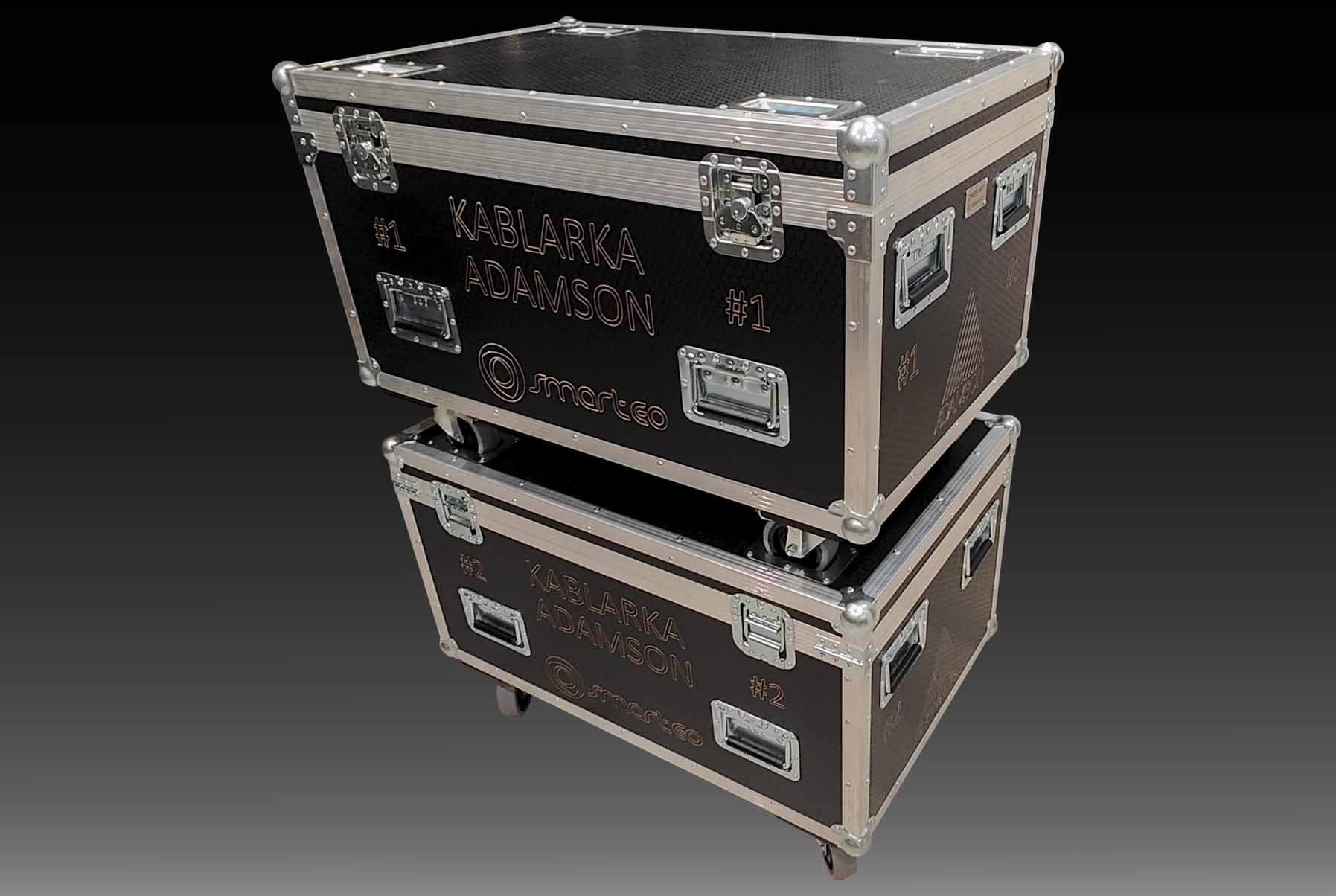
if it will fit in the car
The scope of this analysis always arises from the actual needs of the user. The client knows their logistics process, work method, and the environment in which the case will be used best. Based on this, it is possible to design a structure tailored to a specific application.
Without defining these conditions, it is impossible to consciously select dimensions, wheel layout, opening method, or stacking capabilities, as the manufacturer does not participate in the daily operation of the system and does not know the intended work scenario.
Why is this crucial?
Because a reusable logistics case:
speeds up loading
reduces the number of trips
lowers transport costs
It is no longer a cost – it is a tool for optimization.
Summary: adapting to logistics = faster implementations and lower operational costs.
The most common mistakes when choosing a transport box
Why is the transport box unnecessarily heavy?
The total weight often directly results from the weight of the device itself and the structural strength requirements, and in many cases, it cannot be significantly reduced without affecting the safety of the equipment. The problem arises when key information is missing during the design phase – exact dimensions, method of transport, direction of insertion, required service access, or working conditions. In such situations, it is necessary to adopt larger structural reserves, which leads to an increase in the size of the box, and consequently to an increase in its weight and a deterioration in mobility.
Why does the lack of a fitted interior lead to damage despite a solid casing?
A durable external structure alone does not stabilize the device during transport. A universal interior does not control the movement of the equipment and does not dissipate the energy of impacts and vibrations. As a result, micro-damages occur, which, especially in the case of electronics and precision components, lead to accelerated wear, failures, and costly downtimes.
How does improper placement of handles affect team performance?
Handles placed outside the center of gravity cause the box to assume an unnatural position when lifted. This increases physical strain, slows down transport, and often necessitates two-person operation. Proper placement of grip points allows for safe carrying of the box by one person and realistically shortens loading time.
Why is the lack of transport analysis one of the most expensive mistakes?
If it is not determined at the beginning how the case will be transported and stored, it may turn out that it does not fit inside the transport vehicle, cannot pass through access routes, or cannot be stacked safely. This leads to the need to reorganize logistics, additional transport runs, or, in extreme cases, making a new case.
Why does designing only around the equipment dimensions extend the project completion time?
Taking only the external dimensions of the device into account does not provide space for cabling, accessories, the ventilation system, or quick service access. In practice, this means more operations during assembly and disassembly, and therefore a longer time required to prepare the system for operation.
What is the common cause of most problems with using transport cases?
The vast majority of errors do not result from poor workmanship, but from a lack of analysis of the actual way the case will be used. Providing complete information at the design stage makes it possible to reduce weight to the necessary minimum, improve work ergonomics, adapt the case to logistics, and avoid costly modifications in the future.
The impact of a well-designed case on company workflow.
A well-designed flight case:
✔ reduces setup time
✔ allows one or two people to handle transport
✔ protects employee health
✔ reduces the number of transport runs.
This is not a cost – it is part of the operational process.
FAQ – quick summary
What does the selection of a transport case start with?
From analyzing how the equipment is used – not from choosing the material or dimensions.
What has the biggest impact on the safety of devices in transport?
Properly designed interior and shock absorption system.
Why does the transport case affect the company's costs?
It shortens the execution time, allows a more optimized team to work, and reduces the number of transport trips.
Does the weight of the case always depend on the manufacturer?
No – it largely results from the weight of the equipment and the required structural strength.
Why is ergonomics so important in case design?
It enables transport by one person, reduces physical strain, and speeds up loading.
Does every case need to be emptied for work?
No – many systems are designed to work without removing the devices.
Why is logistics analysis crucial before production?
It allows matching the case to the vehicle, warehouse, pallets, and method of transport.
What material is used in professional flight cases?
A construction based on plywood reinforced with aluminum, tailored to the weight and intensity of use.
What most often causes problems with the use of cases?
Lack of complete information at the design stage.
Why is a well-designed flight case an investment, not a cost?
Because it streamlines workflow, protects equipment and employee health, and reduces operational costs.
Our latest content
Check out what's new in our company !
Thank you for reading the article to the end. Since you are here, it means that you really care about a well-designed transport case — and that is a good start to our cooperation.
As a thank you, you receive 5% off your first order of a transport case or custom flight case.
When contacting us, please provide the code:
BLOG5
The offer is one-time and is valid for the first order after reading the article. The discount applies to individual quotes and cannot be combined with other promotions.
Do you want to check how much a case tailored to your equipment will cost? Contact us and provide the code BLOG5.