What is plywood thickness in a flight case?
Plywood thickness is one of the key structural parameters of a transport case, affecting its rigidity, weight, and resistance to damage during transport.
However, it is not the only factor – the entire construction is equally important.
Quick comparison of plywood thicknesses.
Thickness | Weight | Rigidity | Application |
6,5–7 mm | very low | medium | light cases, suitcases 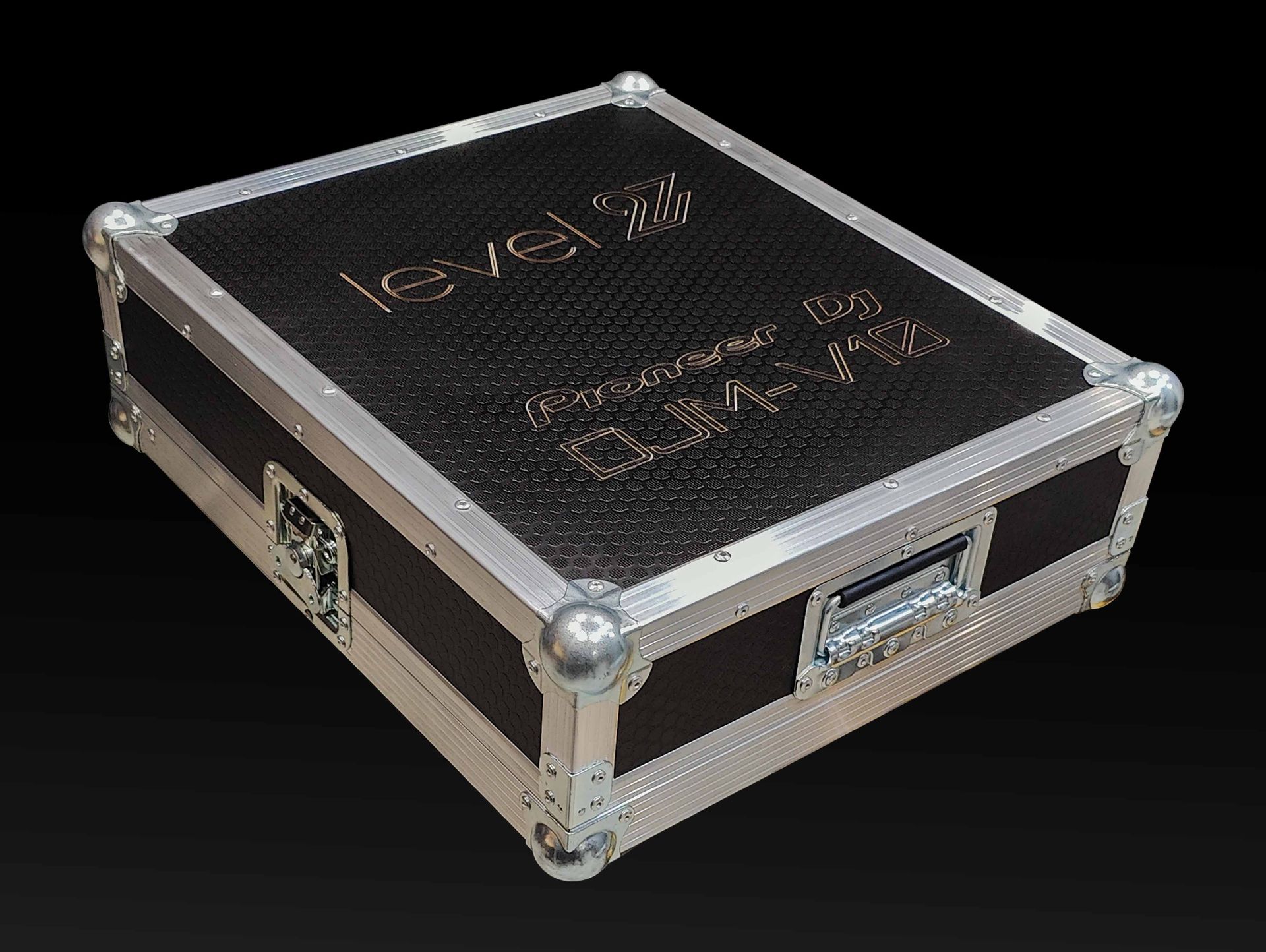 |
9 mm | low | high | AV standard, 19” rack 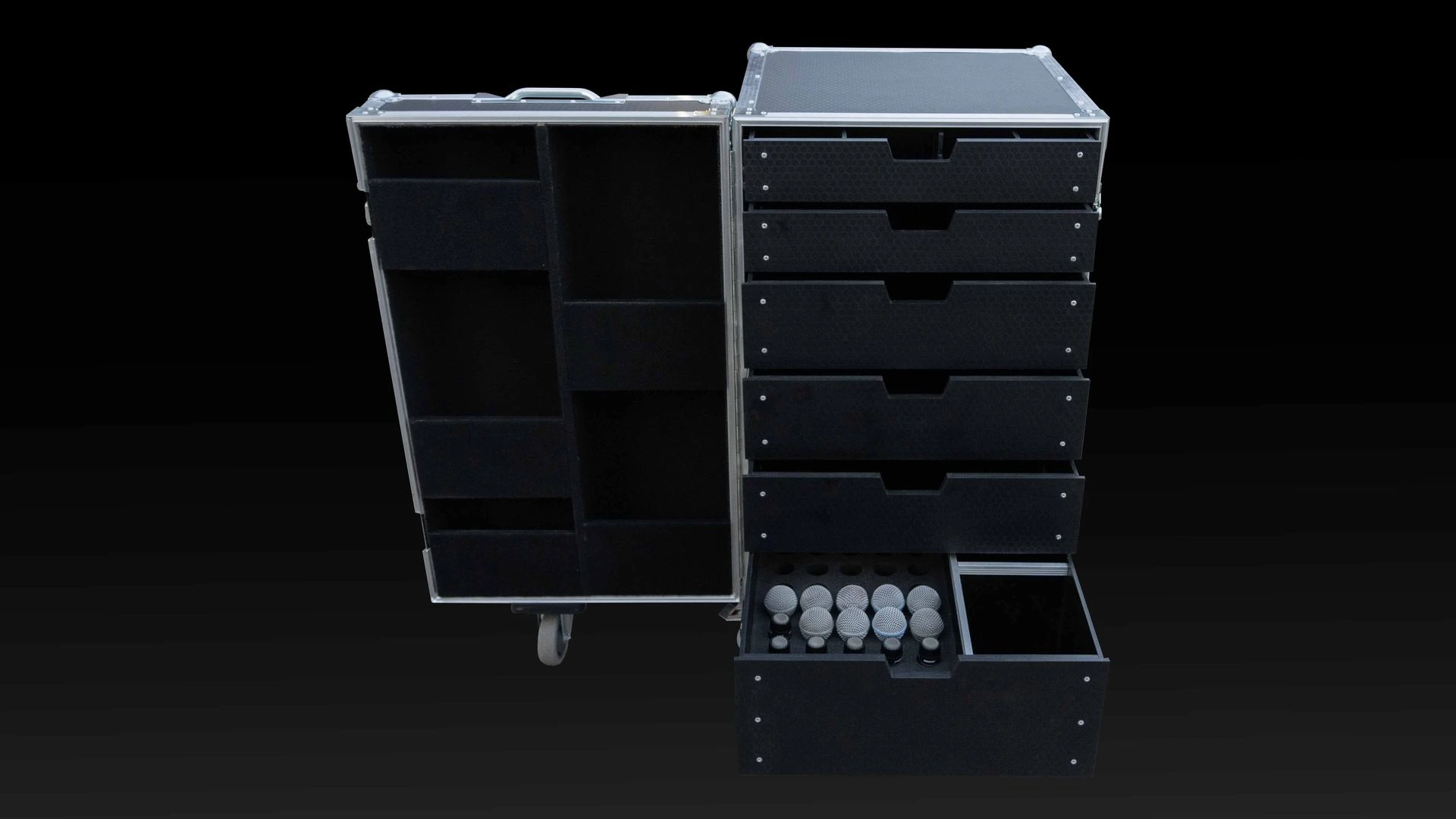 |
10 mm | medium | high | mobile systems 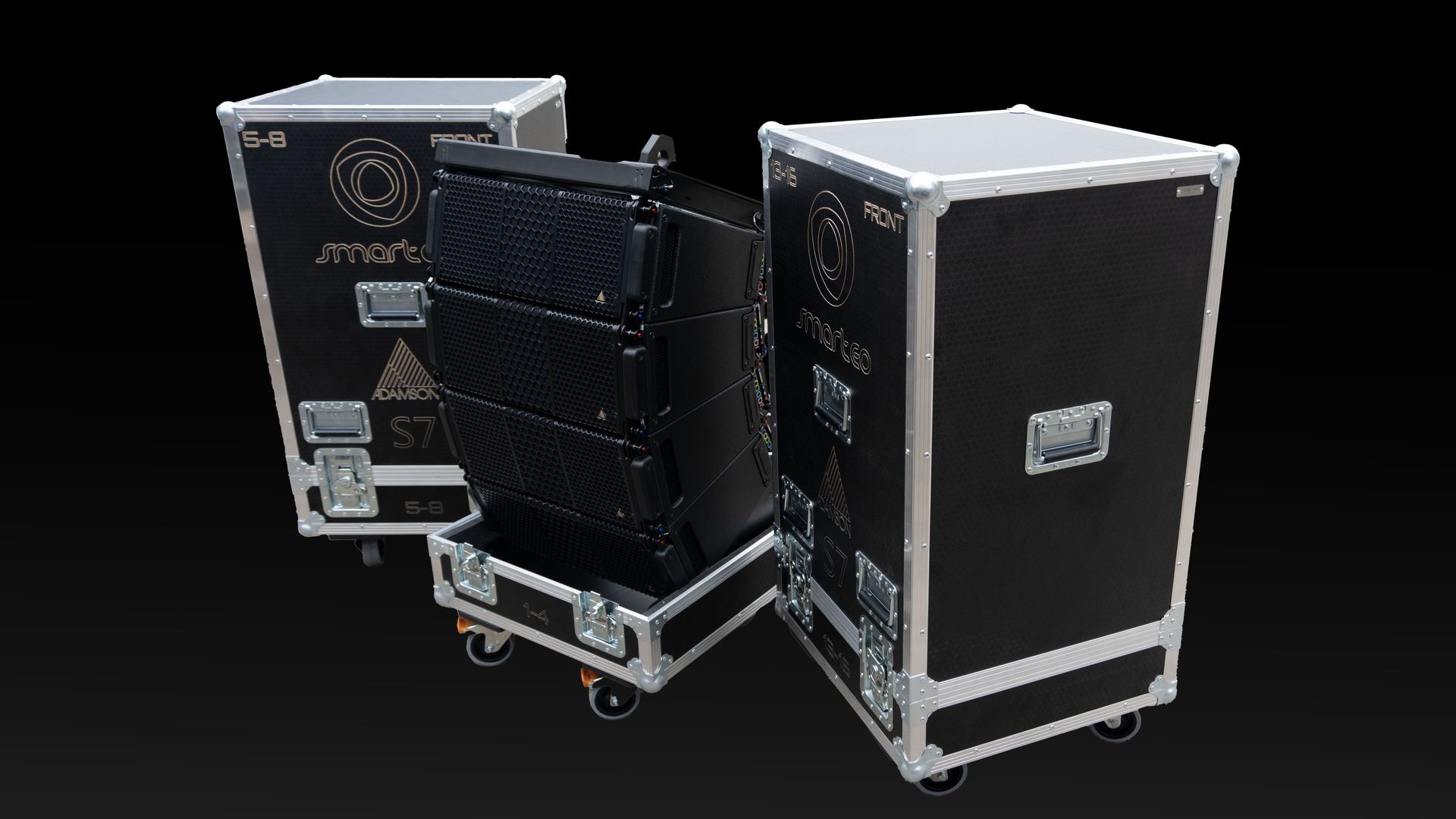 |
12 mm | higher | very high | large racks, all larger constructions 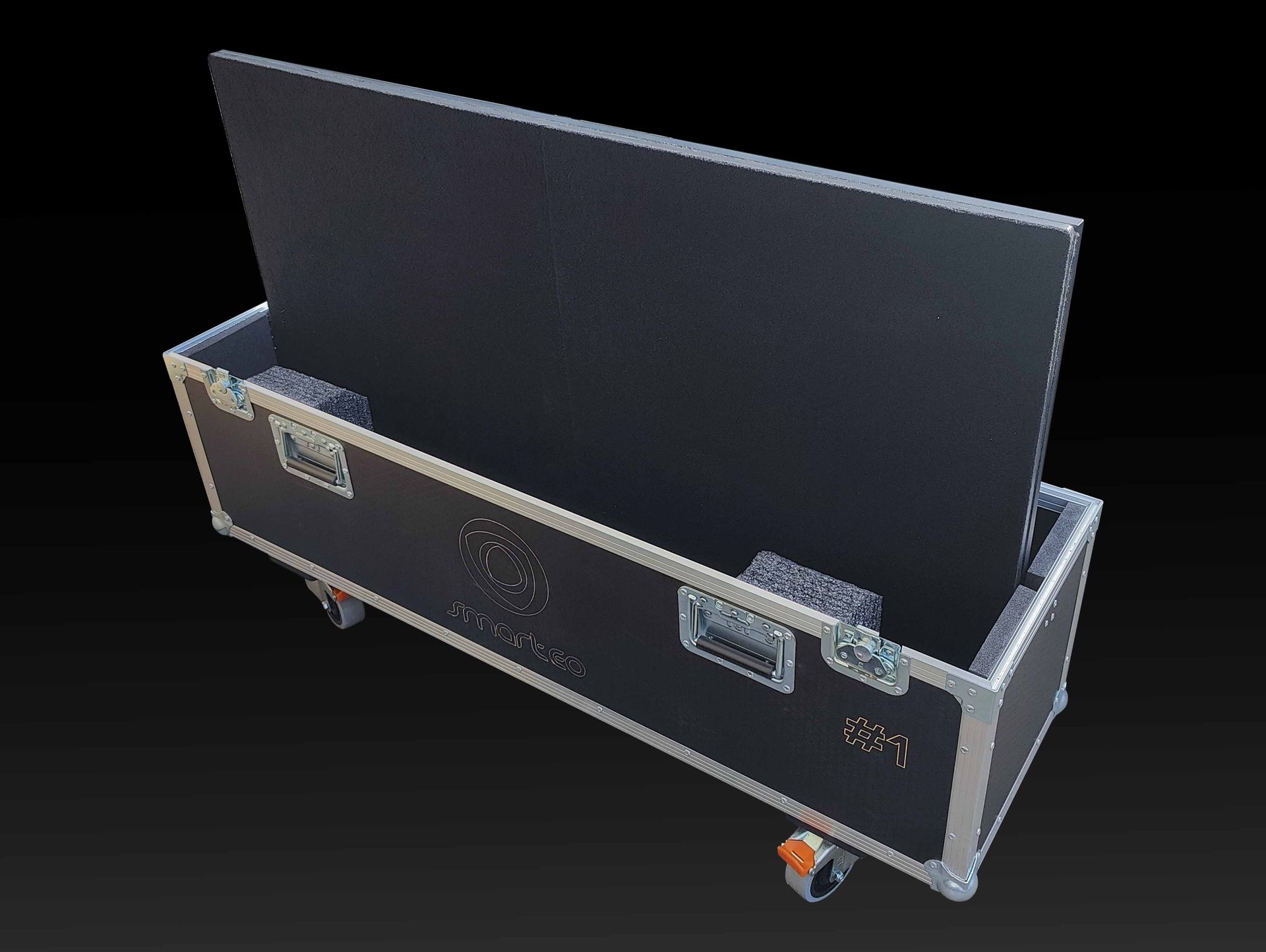 |
18 mm | high | extreme | logistics cases 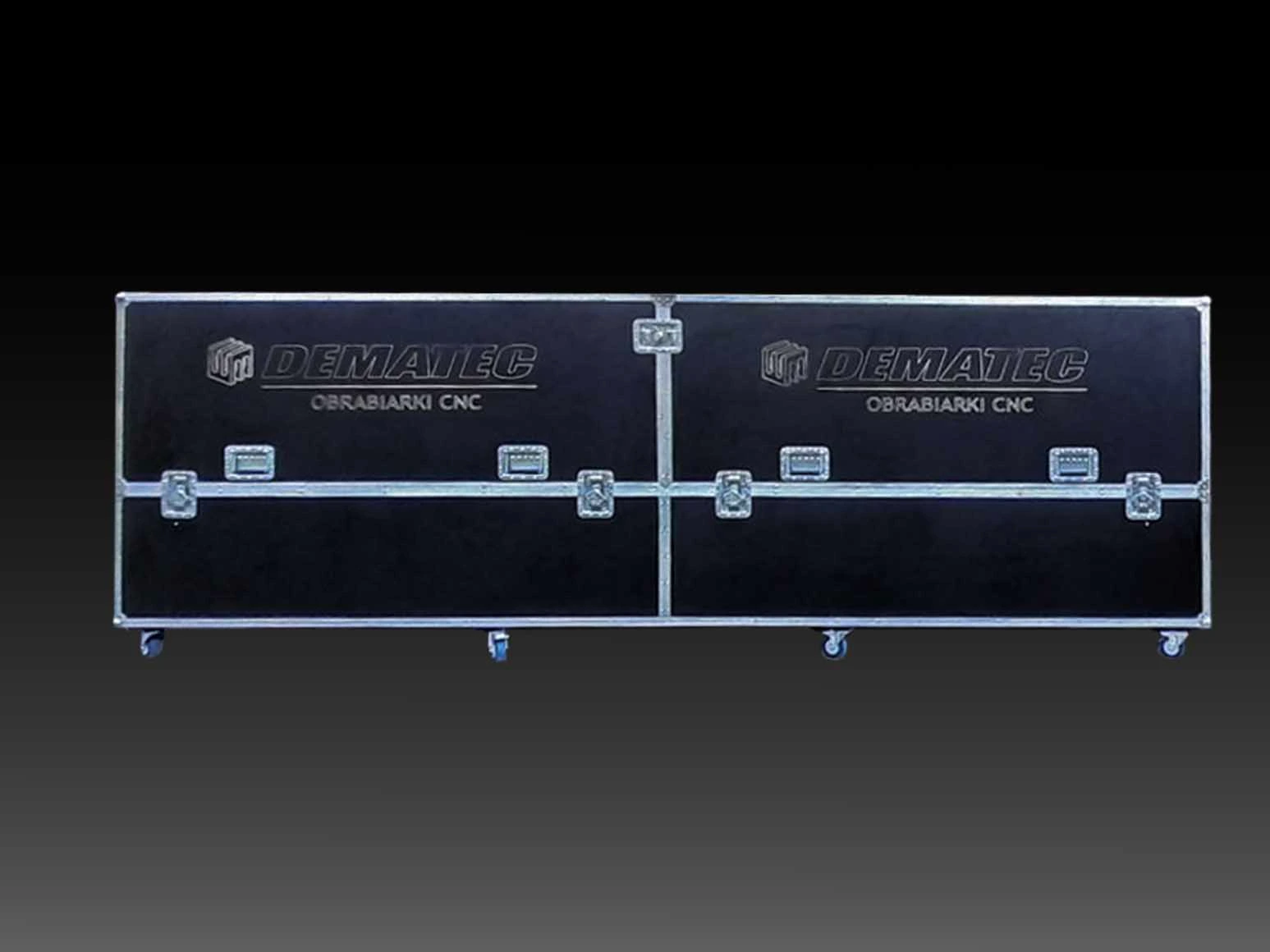 |
Conclusion: thickness should be selected based on actual use – not “just in case.”
How does thickness affect weight and ergonomics?
Thicker plywood means:
greater strength
but also greater weight
And greater weight means:
more difficult transport
more people required for handling
higher labor costs
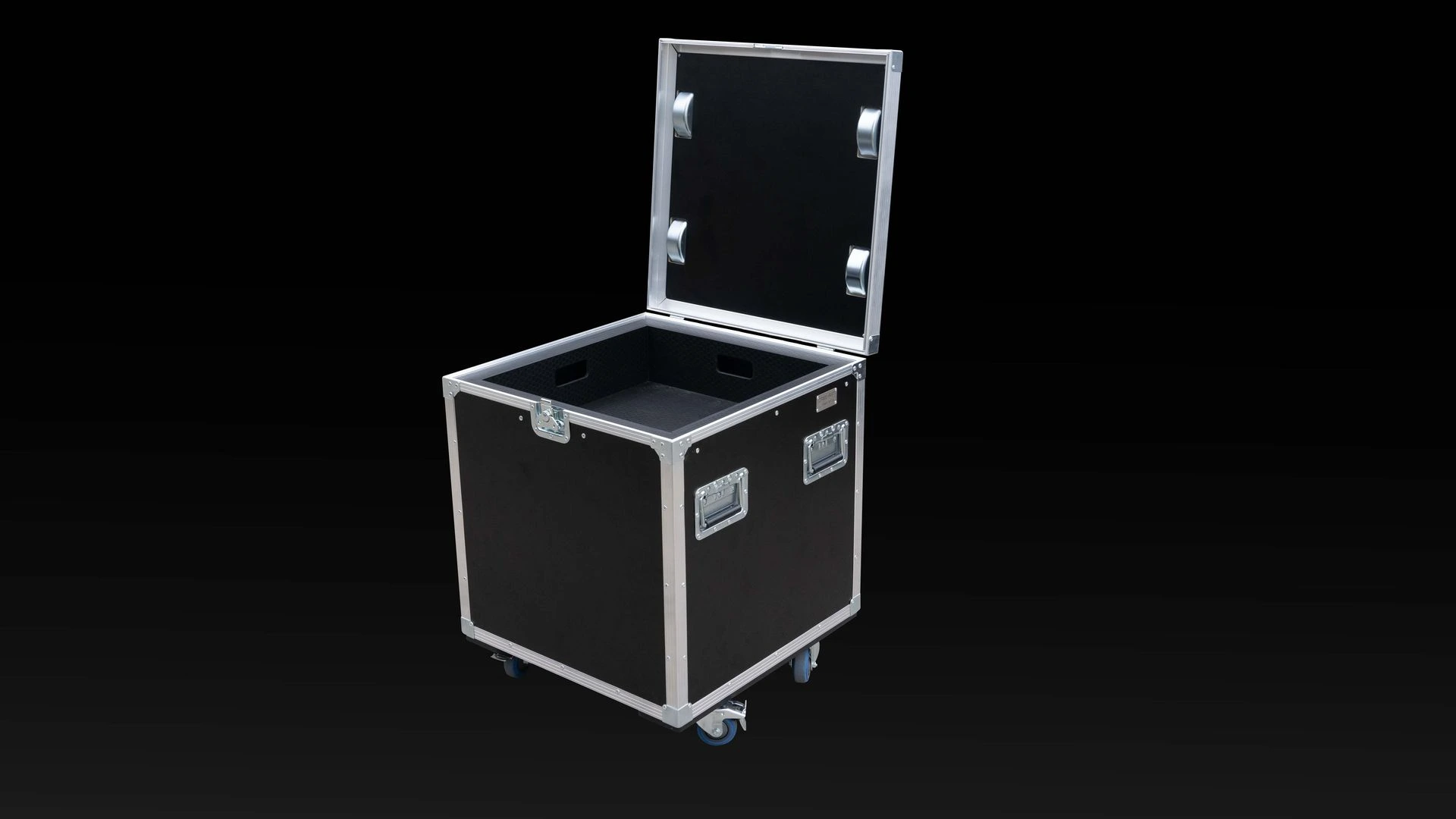
That is why a well-designed case is a compromise between strength and mobility.
When should you choose 6.5–7 mm plywood?
This is the best choice for lightweight and mobile applications:
DJ case
mixer case
controllers
transport suitcases
Advantages:
✔ low weight
✔ transport by one person
✔ quick setup
Limitations:
! lower resistance to point impacts !
Summary: ideal for lightweight equipment that you frequently carry by hand.
Why is 9 mm the industry standard?
9 mm is the most commonly used thickness in professional flight cases.
Why?
✔ High Rigidity
✔ Good Road Resistance
✔ Reasonable Weight
Application:
Event Industry
rack 19”
Audio and Lighting Equipment
Summary: the best balance between weight and durability.
When should 10–12 mm and thicker be used?
These are heavy-duty solutions for demanding systems.
Used when:
The equipment is heavy.
Transport is intensive.
12 mm:
Large Racks
Equipment
Industrial Systems
18 mm:
Logistics Cases
Pallet Transport
Storage
Summary: maximum durability at the cost of mobility.
Why is thickness alone not enough?
The durability of a case depends on:
The construction of the aluminum profiles.
The placement of fittings.
The span of the panels.
The method of transport.
That is why two cases with the same thickness can have completely different performance characteristics.
The Most Common Mistakes When Choosing Plywood
Choosing the “thickest option just in case” → unnecessary weight
Too thin a structure → deformation
No transport analysis → problems in use
Why is it worth choosing the thickness consciously?
A properly selected thickness:
Reduces transport costs
Improves Ergonomics
Increases equipment lifespan
It is not just a material — it is an operational decision.
Frequently Asked Questions (FAQ)
What plywood should be used for a flight case?
Most often 9 mm — the optimal balance between weight and durability.
Is 6.5 mm enough?
Yes, for lightweight mobile equipment.
When is 12 mm used?
For heavy systems and large racks.
Is thicker plywood better?
Not always — it increases weight and makes transport more difficult.
What plywood should be used for a 19” rack?
Most often 6.6–9 mm.
Can a lightweight heavy-duty case be made?
Yes — thanks to the right construction.
Summary
There is no single best plywood thickness.
A good transport case is one that:
is tailored to the equipment
matches the method of transport
takes work ergonomics into account
Our Latest Content
See what’s new in our company!
Thank you for reading the article all the way to the end. Since you are here, it means you truly care about a well-designed transport case — and that is a good start to working together.
As a thank-you, you receive a 5% discount on your first order of a custom transport case or flight case.
When contacting us, provide the code:
BLOG5
The offer is one-time only and applies to your first order after reading the article. The discount applies to an individual quote and cannot be combined with other promotions.
Want to check how much a case tailored to your equipment will cost? Contact us and provide the code BLOG5.