What is the construction material of a transport case?
The construction material is the basic building element of a case, determining its durability, weight, and resistance to transport conditions.
In practice, the choice of material determines:
how often the case will be used
how much it will weigh
how long it will last in use
Quick comparison: plywood vs OSB vs solid wood
Material | Durability | Weight | Moisture Resistance | Application |
Plywood | Very High | Medium | High | Flight Cases, Mobile Cases |
OSB | Good | High | Medium | Logistics Cases |
Solid Wood | Extreme | Very High | Dependent | Decorative Elements |
Conclusion: the material is selected based on the method of use — not only the budget..
Structural Differences — What Really Matters?
The material in a transport case affects:
the weight of the entire structure
resistance to external conditions
the possibility of repeated use
work ergonomics
Summary: the same equipment requires a different case for logistics than for mobile work.
Plywood — the standard in professional flight cases
Plywood is the most commonly used material in the event and technical industry.
Why choose plywood?
✔ High rigidity with relatively low weight
✔ Moisture Resistance
✔ Consistent Quality
✔ Ideal for fittings and precise assembly
Application:
Cases for audio and lighting equipment
rack 19”
Transport housings for electronics
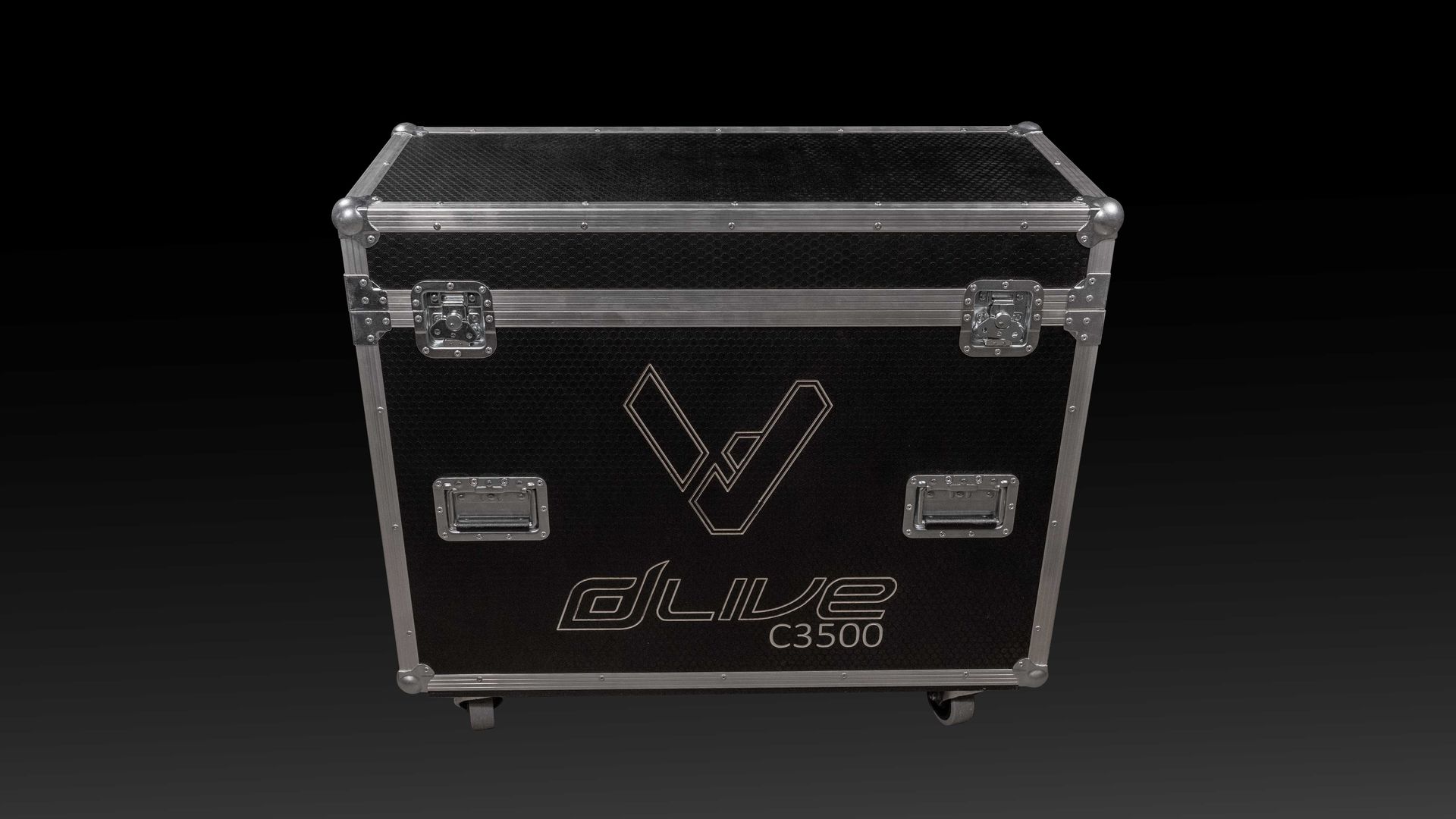
Summary: the best choice for repeated transport and work on the road.
OSB — when it is enough and more cost-effective
OSB is a material used where cost and simplicity matter.
When is OSB worth using?
Transport is carried out mainly on pallets.
The case is not opened frequently.
Mobility is not required.
Typical Applications:
Storage
Domestic Logistics
Industrial Packaging
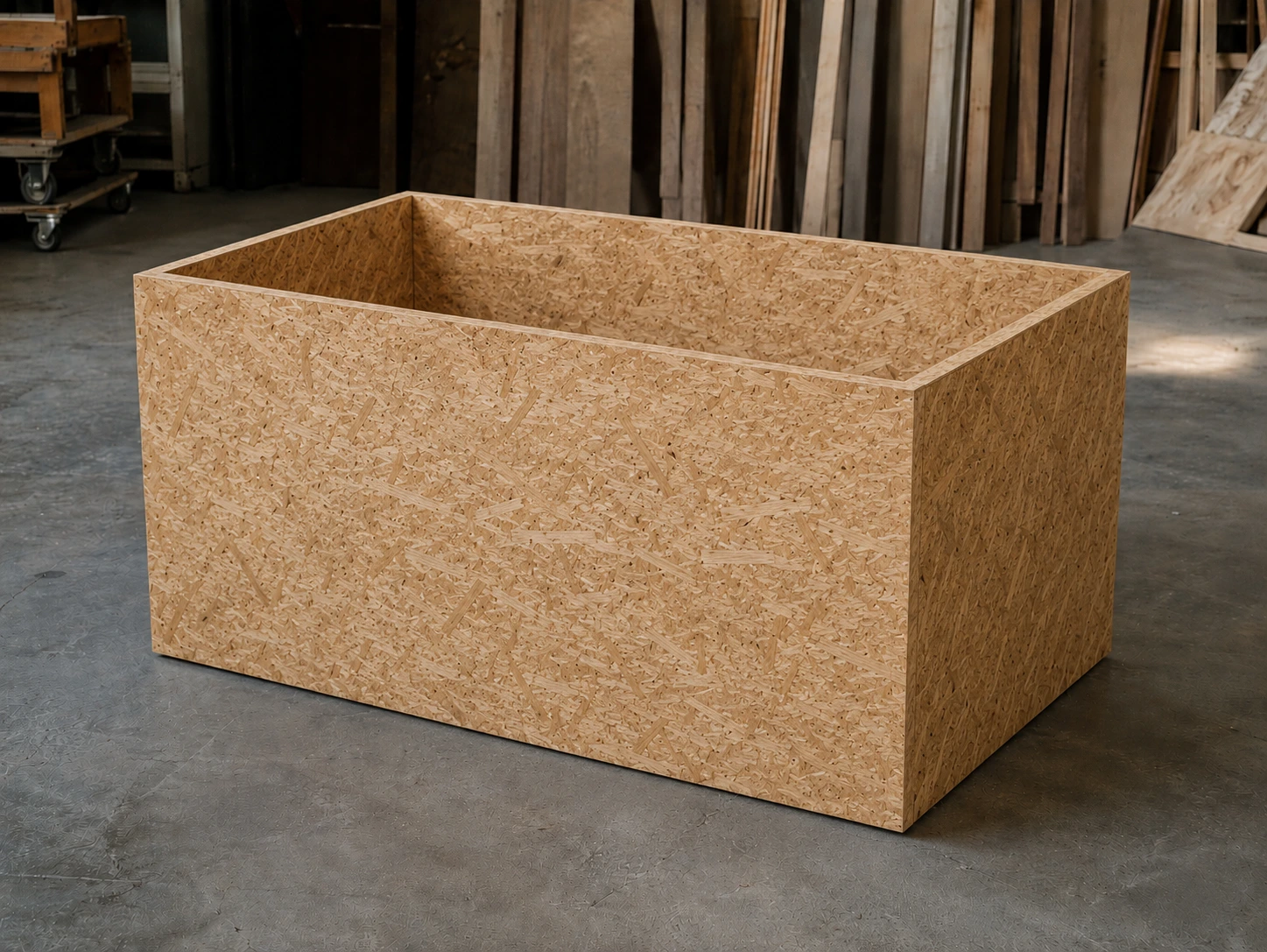
Summary: a good logistics solution, but not for intensive mobile work.
Solid Wood — Maximum Durability
Solid wood is used in the most demanding transport applications.
When does it make sense?
Very Heavy Loads
International Transport
Export Cases
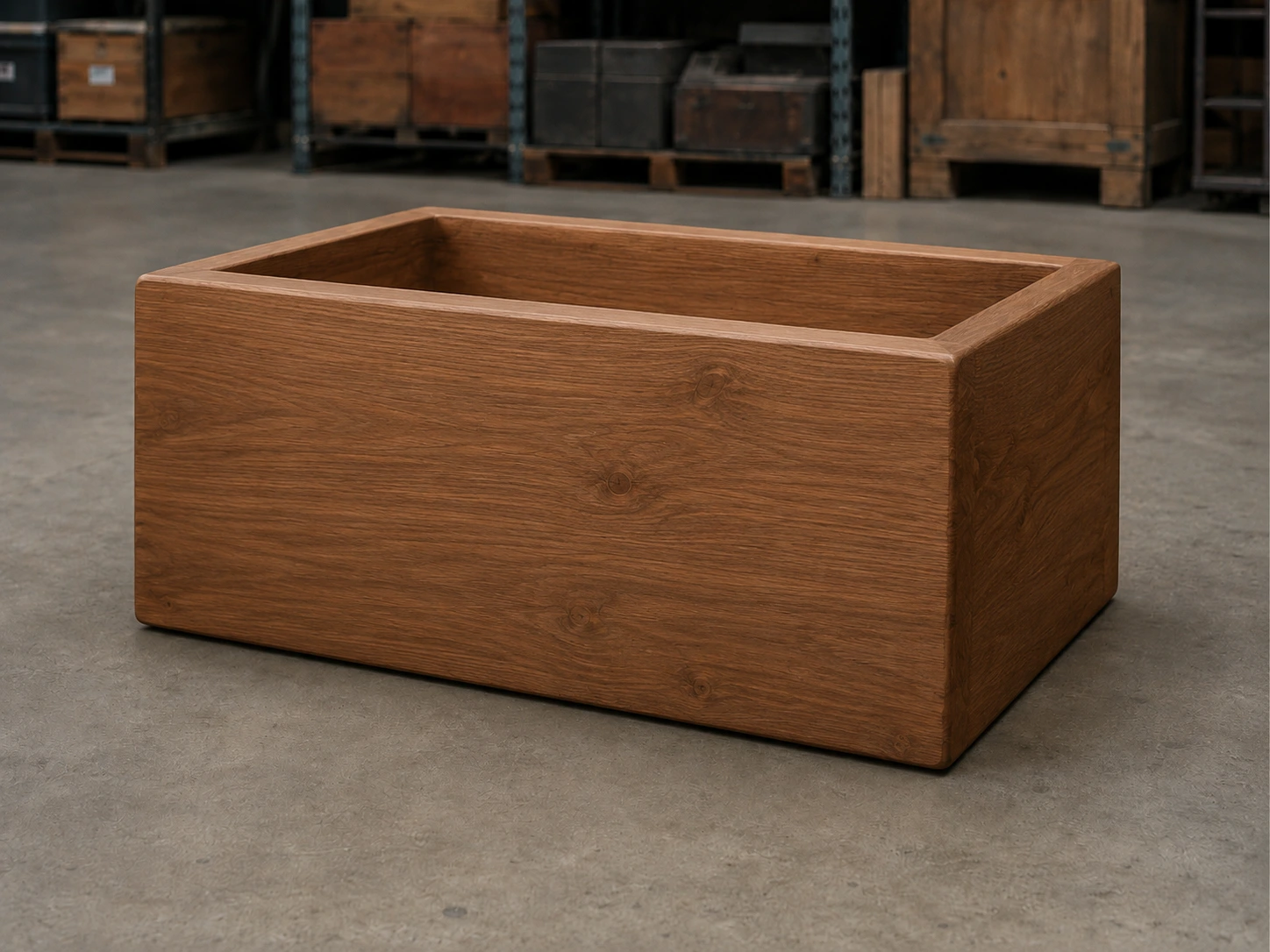
Advantages:
✔ Very High Load Capacity
✔ Ability to build large structures
Limitations:
❌ Very high weight
❌ Lack of mobility
Summary: a solution for heavy-duty transport, not for mobile work..
Why is it worth choosing the material based on the application?
Material selection affects:
Transport Costs
Work Time
Ease of Use
Equipment Durability
Poorly selected material can increase operating costs even with a lower initial price.
Application Examples — When to Choose Which Material?
Event / AV / Stage Technology
➡ Plywood → mobile flight case, transport case
Warehouse Logistics
➡ OSB → export case
Heavy-Duty Transport and Export
➡ Solid Wood → export case, decorative case
Summary: the application always defines the material.
The Most Common Mistakes When Choosing Material
❌ OSB for a mobile case
→ result: high weight and fast wear, brittle material
❌ Plywood for one-time export
→ result: unnecessary cost
❌ Solid Wood for technical work
→ result: lack of ergonomics
Frequently Asked Questions (FAQ)
Which is better — plywood or OSB?
Plywood for repeated transport, OSB for logistics.
Is OSB suitable for a flight case?
No — it is too heavy and less resistant to intensive use.
When is solid wood used?
For very heavy loads and export.
Why is plywood the standard?
It has the best weight-to-strength ratio.
Can OSB be reusable?
Yes, but mainly in storage and logistics.
What should you choose for transporting electronics?
A plywood flight case.
Summary
There is no single best material for a transport case.
The best choice is one that:
matches the real working conditions
is suited to transport
optimizes weight and costs
Our Latest Content
See what’s new in our company!
Thank you for reading the article all the way to the end. Since you are here, it means you truly care about a well-designed transport case — and that is a good start to working together.
As a thank-you, you receive a 5% discount on your first order of a custom transport case or flight case.
When contacting us, provide the code:
BLOG5
The offer is one-time only and applies to your first order after reading the article. The discount applies to an individual quote and cannot be combined with other promotions.
Want to check how much a case tailored to your equipment will cost? Contact us and provide the code BLOG5.
See our projects and other transport cases
See examples of transport boxes (flight cases) for mixers, racks, and stage equipment. Check the quality of workmanship and customization options.